Crypto in the News: Trump Meme Coin—The Future of Money or Just Hype?
“With Donald Trump tapping top regulators with cryptocurrency ties and promising to make the US the “crypto capital of the planet”, the controversial and scandal-plagued industry is poised for laxer oversight and faster growth, which ethics watchdogs and ex-prosecutors fear could pose dangers for investors and spur potential criminal abuses.“
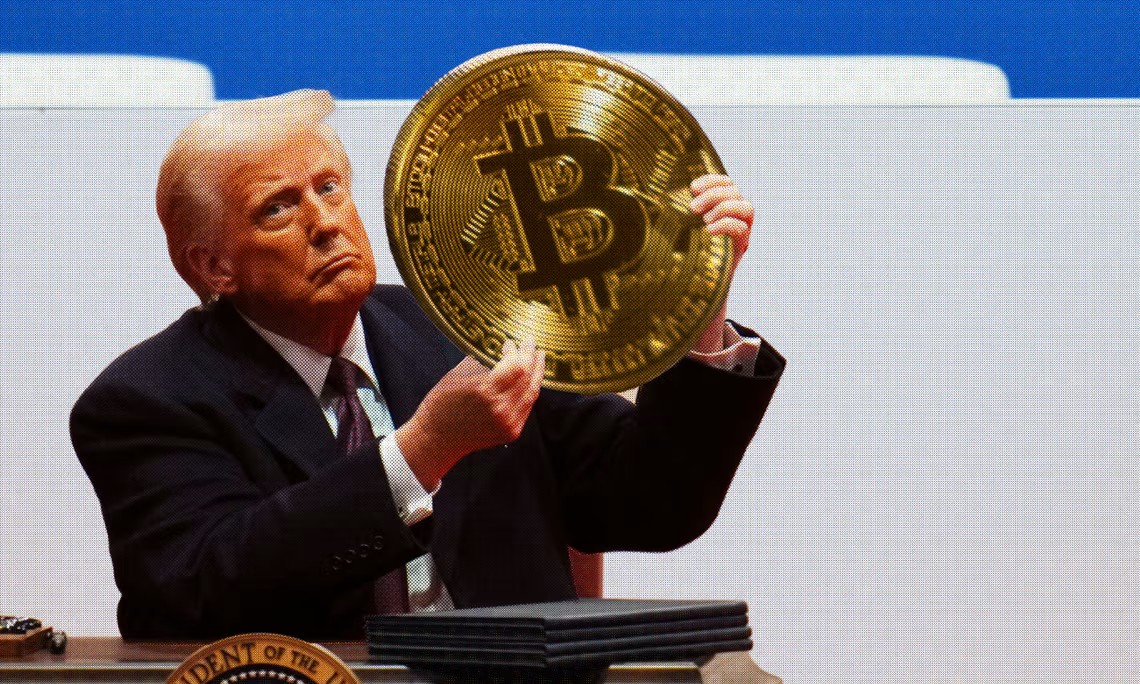
The Guardian recently reported on the rise of the Trump Meme Coin, a cryptocurrency created as part satire, part political statement. The coin has drawn attention from both supporters and critics, sparking debate about the sustainability and purpose of such “meme coins” in the broader crypto ecosystem.
According to the article, meme coins like Trump Coin thrive on speculation, community-driven hype, and their association with cultural or political movements. However, their volatility and lack of intrinsic utility raise questions about their long-term viability.
Read the full article on The Guardian
PARTiCLUS Insight:
The rise of Trump Meme Coin exemplifies the deep flaws in Crypto 1.0—a speculative, hype-driven ecosystem that prioritizes fleeting cultural relevance over meaningful innovation. While meme coins may captivate audiences and draw in speculative investments, they lack the foundations necessary to create lasting value or solve real-world problems.
Trump Meme Coin underscores some of the recurring problems in the current crypto landscape. Its extreme volatility, driven by social media buzz and cultural movements, makes it unreliable as either a store of value or a medium of exchange. Its value can skyrocket overnight, only to plummet just as quickly, leaving participants at the mercy of market whims. This instability highlights the fundamental challenge of projects focused more on entertainment than sustainability.
Despite claims of decentralization, many meme coins are highly centralized, with control resting in the hands of a small group of creators or influencers. This centralization undermines the ethos of decentralization that cryptocurrencies were built upon, leaving them susceptible to manipulation. Furthermore, meme coins often lack any real-world utility, serving primarily as speculative assets or digital collectibles without tangible benefits for users or society at large.
This is where Vertisan and Fractal diverge fundamentally. Unlike meme coins that thrive on temporary buzz, these technologies represent the next wave of blockchain innovation, built with sustainability, utility, and governance at their core. Vertisan and Fractal do not rely on speculative hype for their value. Instead, they address real-world challenges, providing decentralized solutions that empower users to take control of their data and financial systems.
Moreover, these platforms embody true decentralization, eliminating the risks posed by influencer-driven projects. Vertisan and Fractal implement robust governance models that ensure fairness, transparency, and accountability for all participants. They deliver value not just in speculative markets but in practical, everyday applications that build trust and promote long-term growth.
In contrast to the short-termism of Crypto 1.0, Vertisan and Fractal are designed to offer stability and functionality. These technologies pave the way for a decentralized ecosystem that isn’t just about headlines or hype, but about meaningful progress and empowerment.
What This Means for You
The Trump Meme Coin may capture headlines, but it highlights the stark divide between projects focused on hype and those committed to creating meaningful, sustainable change. As the crypto market matures, the need for technologies like Vertisan and Fractal becomes ever more evident. These platforms are the antidote to a system bogged down by speculation, delivering the decentralization and utility necessary to make blockchain truly transformative.
For those seeking financial sovereignty and a more secure future, the lesson is clear: prioritize innovation, sustainability, and decentralization over fleeting trends. The future isn’t in the memes—it’s in the solutions.